
What Does “Probable Cause” Mean in a Criminal Case?

If you’ve ever watched a crime show or followed a real-life court case, you’ve likely heard the term probable cause. While it’s commonly used in criminal law, many people don’t fully understand what it means—or how it can affect their case. Understanding probable cause is important because it plays a key role in arrests, searches, and the admissibility of evidence.

What Is Probable Cause?

Probable cause is a legal standard that law enforcement must meet before they can make an arrest, conduct a search, or obtain a warrant. In simple terms, probable cause means that there are enough facts or evidence to make a reasonable person believe that a crime has been committed and that the suspect was involved.

It does not require proof beyond a reasonable doubt. Instead, it is based on practical considerations and common sense, not certainty. Officers rely on observations, witness statements, evidence at the scene, or information from informants to establish probable cause.

When Is Probable Cause Required?

Probable cause is required in several key situations, including:

  • Arrests: Police generally need probable cause to arrest someone without a warrant.

  • Search Warrants: Judges must find probable cause before issuing a warrant to search property, vehicles, or digital devices.

  • Searches Without a Warrant: Certain exceptions allow searches without a warrant, but probable cause is often still required.

If law enforcement fails to establish probable cause in these situations, their actions may violate your constitutional rights.

Probable Cause vs. Reasonable Suspicion

Probable cause is often confused with reasonable suspicion, which is a lower legal standard. Reasonable suspicion allows officers to briefly stop and question someone if they believe criminal activity may be occurring, such as during a traffic stop. Probable cause requires stronger evidence and is necessary for more invasive actions like arrests or searches.

Who Decides Whether Probable Cause Exists?

Police officers initially determine probable cause at the scene, but their decision can later be reviewed by a judge. Defense attorneys frequently challenge whether probable cause truly existed, especially if evidence was obtained as a result of an arrest or search.

If a judge finds that probable cause was lacking, any evidence gathered may be suppressed and excluded from trial, which can significantly weaken the prosecution’s case.

Why Probable Cause Matters to Your Defense

Probable cause is one of the most common and effective areas of challenge in criminal defense cases. If law enforcement acted too quickly, relied on unreliable information, or made assumptions without sufficient evidence, your attorney may be able to argue that your rights were violated.

Suppressing unlawfully obtained evidence can lead to reduced charges, case dismissal, or stronger negotiating power during plea discussions.

What to Do If You Believe Probable Cause Was Lacking

If you believe you were arrested or searched without probable cause, it’s important to speak with a criminal defense attorney as soon as possible. An experienced attorney can review police reports, body camera footage, and witness statements to determine whether law enforcement followed proper procedures.

Final Thoughts

Probable cause is a fundamental protection under the Fourth Amendment of the U.S. Constitution. It helps ensure that arrests and searches are not based on hunches or assumptions. If you are facing criminal charges, understanding how probable cause applies to your case could make a critical difference in the outcome.

If you have questions about probable cause or your rights, a qualified criminal defense attorney can help you understand your options and protect your future.

Alexander Truluck focuses his practice as a criminal defense attorney in Clearwater, Palm Harbor, Largo, Dunedin and the Tampa Bay area.

For more information, visit our website at http://www.criminallawyerclearwaterflorida.com
or call (727) 799-3550.
How to Handle a DUI Checkpoint

DUI checkpoints—also called sobriety checkpoints—can be stressful, even for drivers who haven’t had anything to drink. Knowing what to expect and how to handle a checkpoint calmly and legally can help protect your rights and reduce unnecessary complications. Below is a practical guide on how to navigate a DUI checkpoint safely and responsibly.

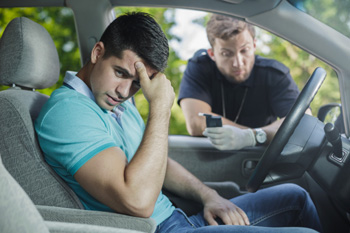
Worried young driver caught on driving after alcohol

What Is a DUI Checkpoint?

A DUI checkpoint is a temporary roadblock set up by law enforcement to identify impaired drivers. Officers briefly stop vehicles, ask a few questions, and look for signs of intoxication. While checkpoint laws vary by state, many jurisdictions allow them as long as certain legal requirements are met, such as advance notice and neutral stopping procedures.

Stay Calm and Follow Instructions

When approaching a checkpoint, slow down and follow posted signs and officer directions. Keep your hands visible on the steering wheel and remain calm. Being polite and cooperative can go a long way in keeping the encounter brief and uneventful.

What You Must Provide

Typically, you are required to provide:

  • Your driver’s license

  • Vehicle registration

  • Proof of insurance

Have these documents easily accessible to avoid fumbling, which could be misinterpreted as nervousness or impairment.

Know What You’re Not Required to Answer

While officers may ask questions like, “Have you had anything to drink tonight?”, you are generally not required to answer investigatory questions. You may politely decline by saying something like, “I choose to remain silent.” Avoid being argumentative—respectful silence is usually the best approach.

Be Careful With Field Sobriety Tests

In many states, field sobriety tests are voluntary. These include walking in a straight line, standing on one leg, or following an object with your eyes. These tests are subjective and can be difficult even for sober individuals, especially in poor lighting or uneven conditions. You may politely decline to perform them.

Breath Tests: Know the Difference

There are often two types of breath tests:

  • Preliminary roadside breath tests (usually optional)

  • Evidentiary breath tests (often required after arrest)

Refusing a required breath test may result in automatic penalties, such as license suspension, under implied consent laws. Knowing your state’s rules is critical, as refusal consequences can be severe.

Do Not Attempt to Avoid the Checkpoint Illegally

If you see a checkpoint ahead, you are typically allowed to turn around or take an alternate route as long as you do so legally. Making an illegal U-turn or committing a traffic violation can give officers a valid reason to stop you.

If You Are Asked to Pull Over

If an officer directs you to secondary screening, comply with the request. Continue to remain calm and respectful. Do not consent to vehicle searches unless required by law, and avoid volunteering information.

If You Are Arrested

If you are arrested at a DUI checkpoint:

  • Do not resist arrest

  • Clearly state that you wish to remain silent

  • Ask to speak with an attorney as soon as possible

What you say after an arrest can significantly impact your case.

Final Thoughts

DUI checkpoints are designed to promote public safety, but drivers still have rights. The best way to handle a checkpoint is to remain calm, be respectful, comply with lawful requests, and avoid volunteering unnecessary information. If you believe your rights were violated or you were wrongfully arrested, consulting an experienced DUI defense attorney can help you understand your options and protect your future.

Alexander Truluck focuses his practice as a criminal defense attorney in Clearwater, Palm Harbor, Largo, Dunedin and the Tampa Bay area.

For more information, visit our website at http://www.criminallawyerclearwaterflorida.com
or call (727) 799-3550.

Consequences of Refusing a Sobriety Test in Florida

If you are stopped by law enforcement in Florida on suspicion of driving under the influence (DUI), you may be asked to perform sobriety tests or submit to a breath, blood, or urine test. Many drivers assume that refusing these tests will help them avoid a DUI charge—but in Florida, refusal can carry serious and long-lasting consequences.

young person under arrest

Understanding Florida’s implied consent law and what happens when you refuse a sobriety test can help you make informed decisions and protect your rights.

Florida’s Implied Consent Law

Under Florida law, any person who drives or is in actual physical control of a motor vehicle is deemed to have given implied consent to submit to chemical testing if lawfully arrested for DUI. This typically includes breath, blood, or urine testing to determine blood alcohol content (BAC) or the presence of drugs.

By refusing a chemical sobriety test, you are not avoiding consequences—you are triggering a separate set of penalties imposed by the state.

Immediate License Suspension

One of the most significant consequences of refusing a sobriety test in Florida is automatic driver’s license suspension, regardless of whether you are ultimately convicted of DUI.

  • First refusal:
    Your license will be suspended for one year

  • Second or subsequent refusal:
    Your license will be suspended for 18 months, and the refusal becomes a misdemeanor criminal offense

This suspension is administrative, meaning it occurs through the Florida Department of Highway Safety and Motor Vehicles (DHSMV), not the criminal court.

Limited Driving Privileges

After a refusal, you may be eligible for a hardship license, but this is not guaranteed. To qualify, you generally must:

  • Enroll in DUI school

  • Request a formal or informal review hearing within 10 days of your arrest

  • Meet strict eligibility requirements

If you miss the 10-day deadline, your license suspension automatically goes into effect with limited options for relief.

Refusal Can Be Used Against You in Court

Many drivers believe refusing a sobriety test prevents the state from proving DUI. However, in Florida:

  • The prosecution can introduce evidence of your refusal at trial

  • The refusal may be used to suggest consciousness of guilt

  • Officers may still rely on field observations such as slurred speech, odor of alcohol, poor driving, or failed field sobriety exercises

A refusal does not prevent a DUI conviction—it simply changes how the state builds its case.

Criminal Penalties for Repeat Refusals

A second or subsequent refusal to submit to a lawful chemical test is a first-degree misdemeanor in Florida. This can result in:

  • Up to one year in jail

  • Fines

  • A longer license suspension

  • A permanent criminal record

This penalty is separate from any DUI charge and can significantly increase your legal exposure.

Impact on Insurance and Driving Record

Refusing a sobriety test can also have long-term consequences beyond the courtroom, including:

  • Increased auto insurance premiums

  • Potential policy cancellation

  • A permanent mark on your driving record

  • Difficulty obtaining affordable insurance in the future

Insurance companies often view refusals as high-risk behavior, even if no DUI conviction occurs.

Field Sobriety Tests vs. Chemical Tests

It’s important to note that field sobriety exercises (such as walking a straight line or standing on one leg) are generally voluntary in Florida. Chemical tests, however, fall under implied consent laws once you are lawfully arrested.

Understanding this distinction is critical, as refusing chemical testing carries mandatory penalties that refusing field tests does not.

Why Legal Representation Matters

Because DUI and refusal cases move quickly, consulting an experienced Florida DUI defense attorney as soon as possible is crucial. An attorney can:

  • Challenge the legality of the traffic stop or arrest

  • Contest the license suspension

  • Represent you at DHSMV hearings

  • Identify procedural errors or violations of your rights

  • Work to reduce or dismiss charges when possible

Final Thoughts

Refusing a sobriety test in Florida may seem like a way to avoid a DUI charge, but it often leads to severe administrative, criminal, and financial consequences. Automatic license suspension, increased penalties for repeat refusals, and the ability for prosecutors to use the refusal against you in court make this decision a serious one.

If you have been arrested for DUI or refused a sobriety test, speaking with a knowledgeable Florida criminal defense attorney promptly can make a significant difference in the outcome of your case.

Alexander Truluck focuses his practice as a criminal defense attorney in Clearwater, Palm Harbor, Largo, Dunedin and the Tampa Bay area.

For more information, visit our website at http://www.criminallawyerclearwaterflorida.com
or call (727) 799-3550.